Stay in the loop.
Get stories of impact, member news and ways to take action, straight to your inbox.
What an in-kind branding project unlocked for member Truth & Consequences and impact partner In Color Birding
Of the many ways 1% for the Planet Members may support nonprofit impact partners in our network, providing in-kind services is one of the most engaging. Sharing your company’s unique skills and expertise with a nonprofit can fundamentally change what they’re able to achieve, and leads to a mutual sense of connection, partnership and shared impact.
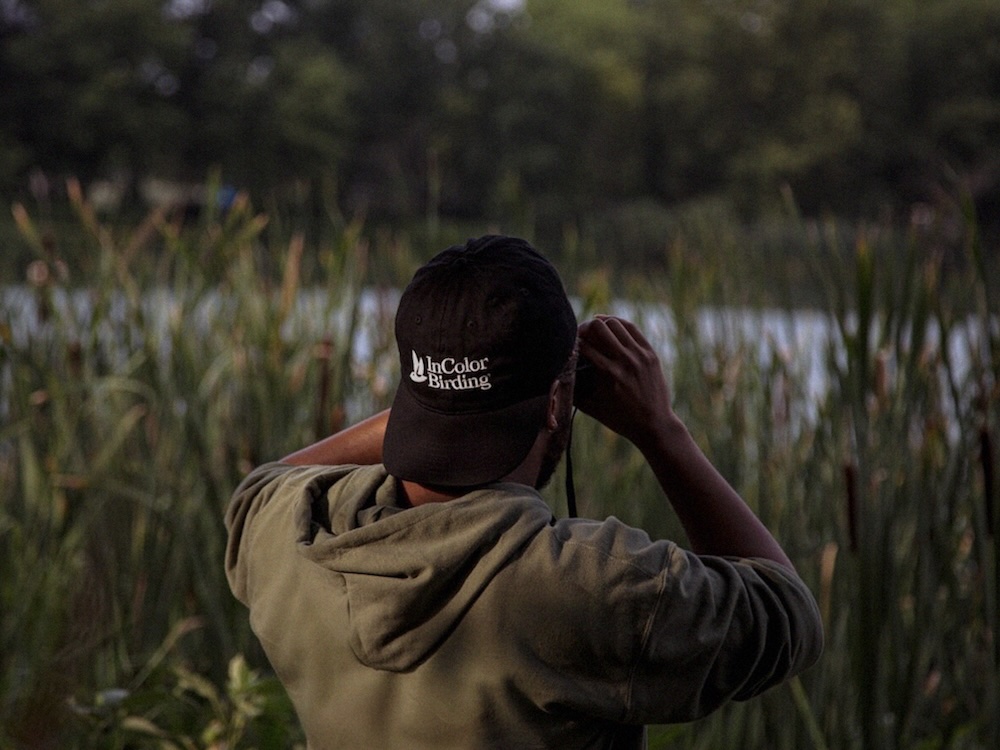
For Truth & Consequences, a Philadelphia branding agency and 1% for the Planet Member since 2023, the aim of finding an in-kind partnership was to give its team a hands-on role in the company’s 1% commitment. Meanwhile, impact partner In Color Birding—a Philadelphia nonprofit that creates safe, joyful and welcoming entry points into birding for historically marginalized communities—needed a brand and a website that could amplify its mission. Through a collaborative 1% for the Planet partnership, they accomplished all of this and more.
In the October 2026 edition of Our Planet Talks, Stephen Penning and Kris Blake of Truth & Consequences joined In Color Birding founder Jason Hall to share what the partnership delivered and what advice they have for 1% for the Planet Members considering in-kind contributions.
A way for employees to feel invested in the company’s impact. Stephen Penning, founding partner and executive creative director, said the partnership moved impact from the C-suite and mission statement into the team’s day-to-day work:
"As we were considering how we could have an impact, the thing that was really great about 1% for the Planet and in-kind opportunities is that it allows us to put our skills and expertise to use in a way that we really couldn't do elsewhere. It's really that idea of, ‘How do you put your expertise to use in a way that's meaningful?’ The ability for our team and our employees to then have an attachment to it is really impactful and makes for some really special work."
A creative flex: Kris Blake, partner and creative director, said that putting creative skills toward an organization doing good "just feels better."
Lessons that carried into client work. With limited time and budget, the team had to work out how to deliver the highest-value project possible. Kris explained that a condensed project can still have a long runway for the organization it serves, and that the experience paid off elsewhere:
"We all got something out of this that then influenced some of our other projects. We've looked at some other projects where scope has been limited or budget's been limited, and we had some different kinds of arrows in our quiver."
A brand that represents the community. Jason said the new identity matched the energy and tone the club had been working to put out in the world, and that it got the community excited. It also shaped first impressions with prospective partners, who saw quality and shared values in the work.
Recognition across the Philadelphia and birding communities. The brand and website spread widely, even leading historic birding groups to ask Jason how In Color Birding did it. His assessment:
"I don't think we would be as well known or have the level of respect across the community we do now without some of that really high-quality branding work."
Skills the volunteer team keeps. Beyond the branding and website work, Jason says Truth & Consequences gave the all-volunteer team at In Color Birding the training needed to run it long-term:
"Now I have an easy way to put up events, gather RSVPs and manage my email list. That makes my time efficient, which means I can spend more time scheduling events for the community, talking with partners and working on things like grant funding."
While cash remains a crucial form of nonprofit funding, both organizations said in-kind support adds a direct, personal connection. Jason put it this way:
"Money is great, but money doesn't always feel like a genuine investment in the people or the organization. The in-kind [partnership] immediately puts you in contact, and you want to do a good job. You're looking at another human being in the face."
Start local. Jason noted that the local connection—a Philly brand supporting a Philly cause—has really resonated with the community. When it comes to finding an impact partner to support in this way, he recommends members "look right outside your front door” … the same advice birders give for finding birds!
Make your outreach personal. Nonprofits can spot a mass-drafted email. If a local nonprofit has an event coming up, attend and introduce yourself. Jason said this builds trust, which matters to organizations that are just getting started.
Have fun. "If you can make it fun, that really goes a long way in showing your partner that you're donating this in-kind service to that they are valued," Jason said. He recommended putting your most personable people on the project.
Treat your partner like a paying client. Jason said In Color Birding never felt like it was less important than the agency's multi-year, multimillion-dollar clients: "We got goosebumps every time we sat and talked with them, because we felt like we were the most important person that day at Truth & Consequences."
Collaborate and listen. Kris said the calls with Jason's team were work sessions from the start, aimed at figuring out what would do the most good for them.
Plan your time and your team. Because in-kind capacity was limited, Truth & Consequences kept its team tight and made every conversation count. To start, the team sent a questionnaire and asked In Color Birding to bring examples of things they liked and disliked. Kris also described working in a series of sprints alongside a full client roster, and being open with Jason about that from the beginning.
Amplify the work. Nonprofits often have a limited digital footprint. Jason appreciated that Truth & Consequences shared the project publicly, which helped both organizations.
For nonprofits entering in-kind partnerships, Jason recommends getting clear on your highest-priority needs before the project starts:
"Once you get in there, you see the quality of work and you'd love to ask for everything. But knowing what you actually need as an organization really helps, because then the partner knows what the stopping point is. They can focus on delivering something that is really high quality."
Check out the full panel (and learn what everyone’s favorite bird is!) in the Our Planet Talks recording.
Members and nonprofit impact partners with specific in-kind offerings or needs in mind can look for a match in the 1% for the Planet Partnership Exchange, a dedicated Slack workspace that allows members and impact partners to connect around opportunities. Request to join the Partnership Exchange (available only for current members and impact partners) here.